Who Paid for the Mayflower?
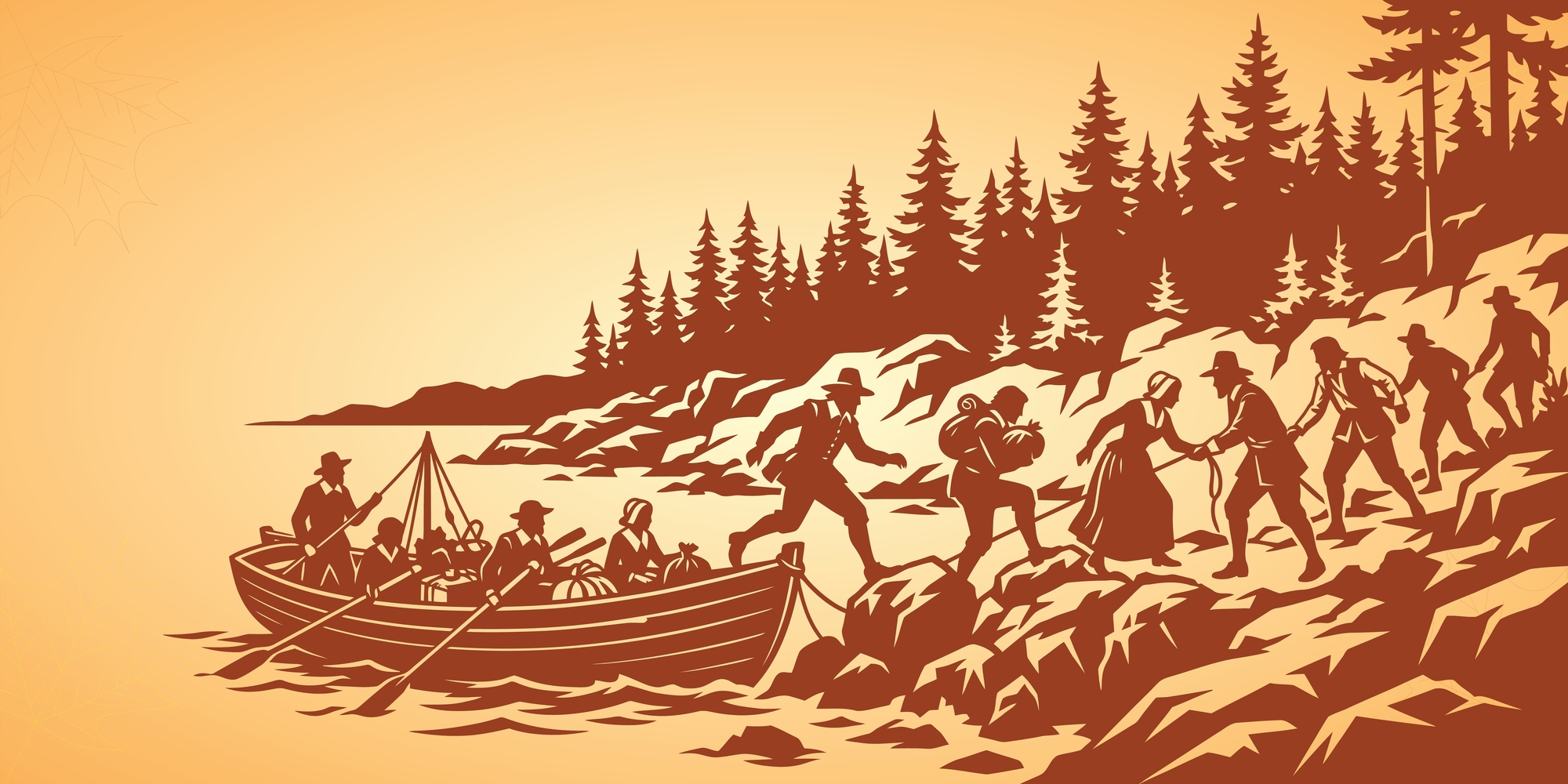
With Thanksgiving happening this week, we thought it’d be nice to take a break from current events, and examine some history we’ve all heard about: the journey of the Mayflower.
Growing up, you probably heard stories of Pilgrims meeting Native Americans, of wholesome tales of how they befriended one another and traded goods to survive.
What our childhood textbooks left out from those stories was just as interesting, though. The Mayflower wasn’t some spontaneous voyage by a group of adventurers. And the title of “adventurers” in this story actually belongs to a group of investors. That’s because the Mayflower was a business arrangement, and possibly one of the earliest private equity deals. And like we’ve discussed in previous entries… those can go either way.
Those who actually went on the expedition were on the other end of the deal, and agreed to share everything they produced with the “adventurers” for 7 years.1 Unfortunately for them, the whole expedition went sideways, and that obligation to share soon became a great burden, and a great debt.
The issues started on day one. They landed in America in November.2 Meaning winter was about to hit, and it was too late to plant themselves any crops. The cold season hit them hard, and about half of them didn’t make it to spring. When they did manage to get valuables together, they were sometimes struck by disasters. Like when they loaded up a ship full of goods to send back to the adventurers, and all of its contents were pillaged by the French.3
The adventurers ran out of patience quickly. Despite the 7-year term of the deal, one investor grew angry and backed out after just 2 years.4 The adventurers made plenty of mistakes on their end too. When they sent more settlers to accompany those in America, they weren’t given any extra food or supplies, further straining whatever resources the expeditioners managed to build up for survival.
Surprisingly (or unsurprisingly if you’re cynical like us), this wasn’t the first time an expensive expedition like this went poorly. Much of this had already happened when settlers tried to colonize Jamestown, Virginia. Despite those struggles being widely known in London at the time, not everyone learned how important it is to understand the risks of an investment, and how much patience they truly had before committing to something this ambitious. It ended up costing all of those involved pain, time, and money. In the end, it took 25 years to settle the debt.4
It’s a good thing no one bites off more than they can chew when investing these days…
Happy Thanksgiving, everyone. We hope you have plenty of quality time with your loved ones over the holiday weekend.
This material is intended for informational and educational purposes only and should not be construed as investment advice, a solicitation, or a recommendation to buy or sell any security or investment product. Please contact your financial professional for more information specific to your situation.
1.) The investors, called merchant adventurers, formed a shared stock company with the passengers, with assets to be divided after seven years; the passengers went heavily into debt. Pilgrim Hall Museum, "Financing the Colony." https://www.pilgrimhall.org/financing-the-colony/
2.) The Mayflower anchored in Cape Cod Bay on November 11, 1620. Pilgrim Hall Museum, "The Pilgrims' Landing in America." https://www.pilgrimhall.org/?p=2001
3.) Nearly half the colonists died the first winter; a later ship brought 35 newcomers without adequate supplies; a French privateer pillaged the cargo sent home; the backers had not learned from the Virginia Company's experience. Ruth A. McIntyre, excerpted in PBS NewsHour, "What you didn't know about the pilgrims: They had massive debt." https://www.pbs.org/newshour/economy/what-you-didnt-know-about-the-pilgrims-they-had-massive-debt
4.) Weston sold his stake in April 1622; Plymouth's debts were finally discharged in 1645. Ruth A. McIntyre, "Debts Hopeful and Desperate: Financing the Plymouth Colony" (Plimoth Plantation, 1963). https://www.gutenberg.org/files/70625/70625-0.txt